Key Takeaways
- Access is your Advantage: The only way to profitable Target inventory is through authorized, registered B2B liquidation auction platforms. Do not buy from middlemen.
- Condition Rules: Your expected profit margin is directly tied to the condition grade (A, B, C) of the load. Target overstock (A/B) is easier; raw returns (C/D) require more work but offer higher leverage.
- Always Calculate Freight: The final cost of the load must include freight and any necessary accessorials. Never bid without a full freight quote.
- E-commerce is Key: Maximize your return by using platforms like eBay and Amazon FBA for Grade A/B stock and local channels for volume liquidation of Grade C/D.
Your next move is critical. Stop guessing where to find inventory and start sourcing directly. Register today to unlock exclusive access to manifest-rich Target liquidation truckloads and secure your next profitable inventory source. [Request a Quote] or [Book Freight] for your next load!
Target Pallets For Sale
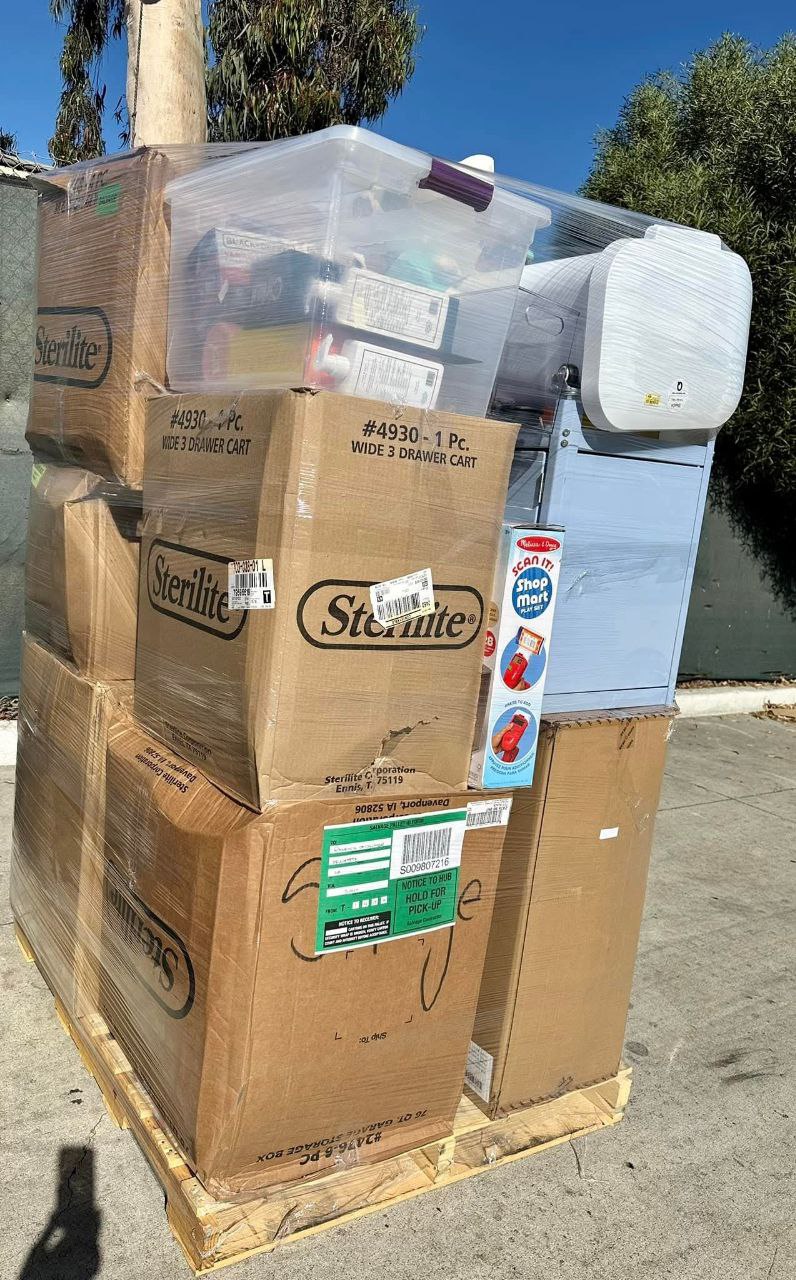
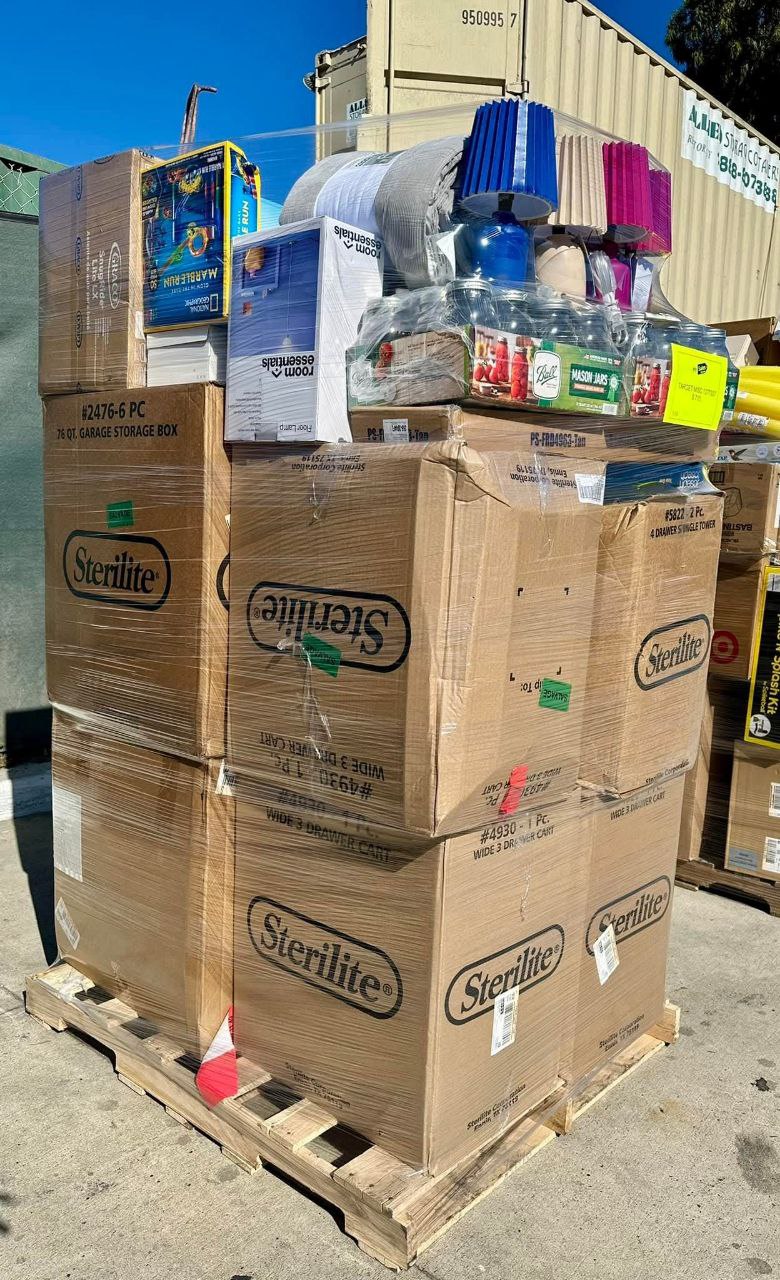
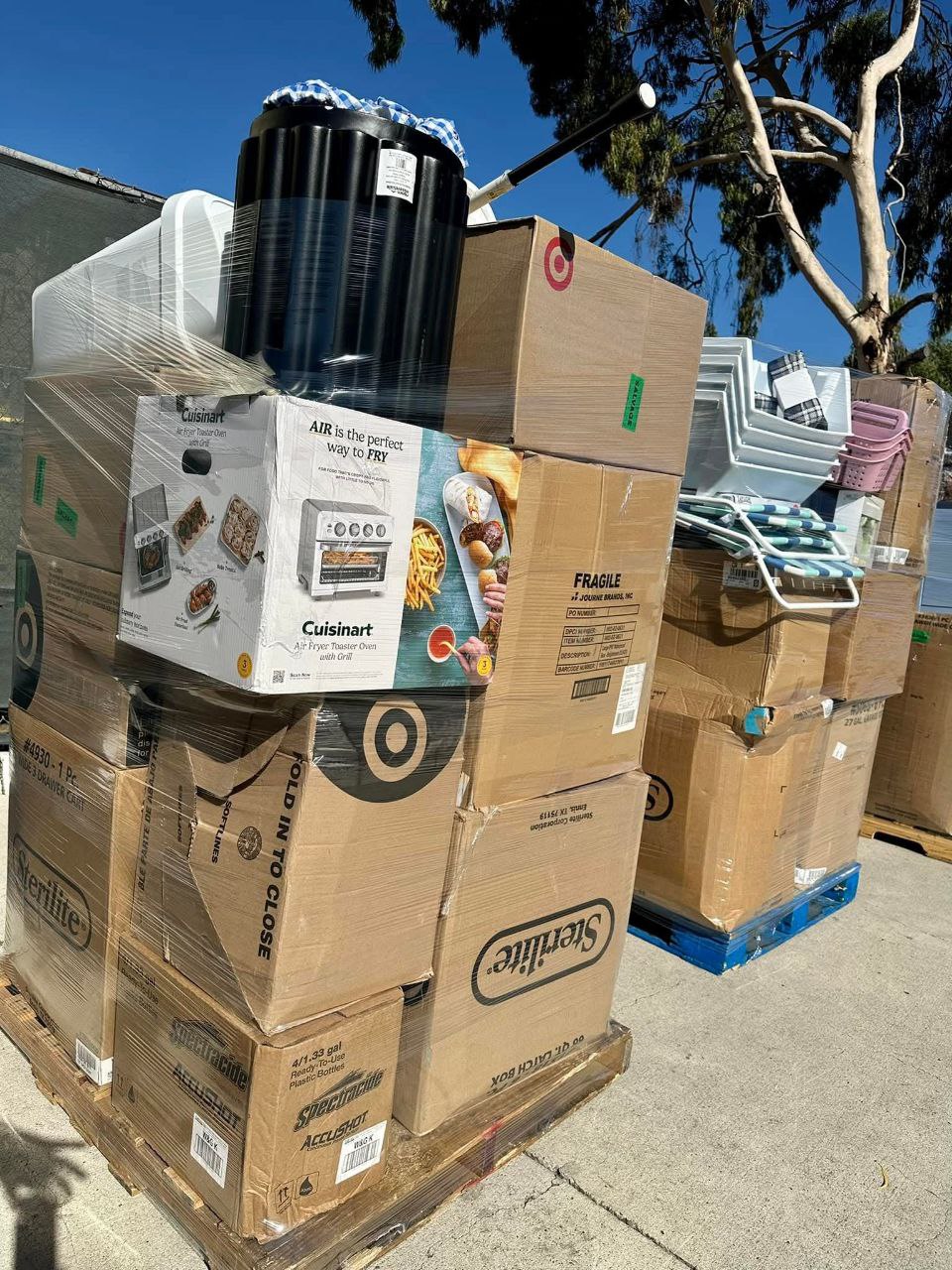
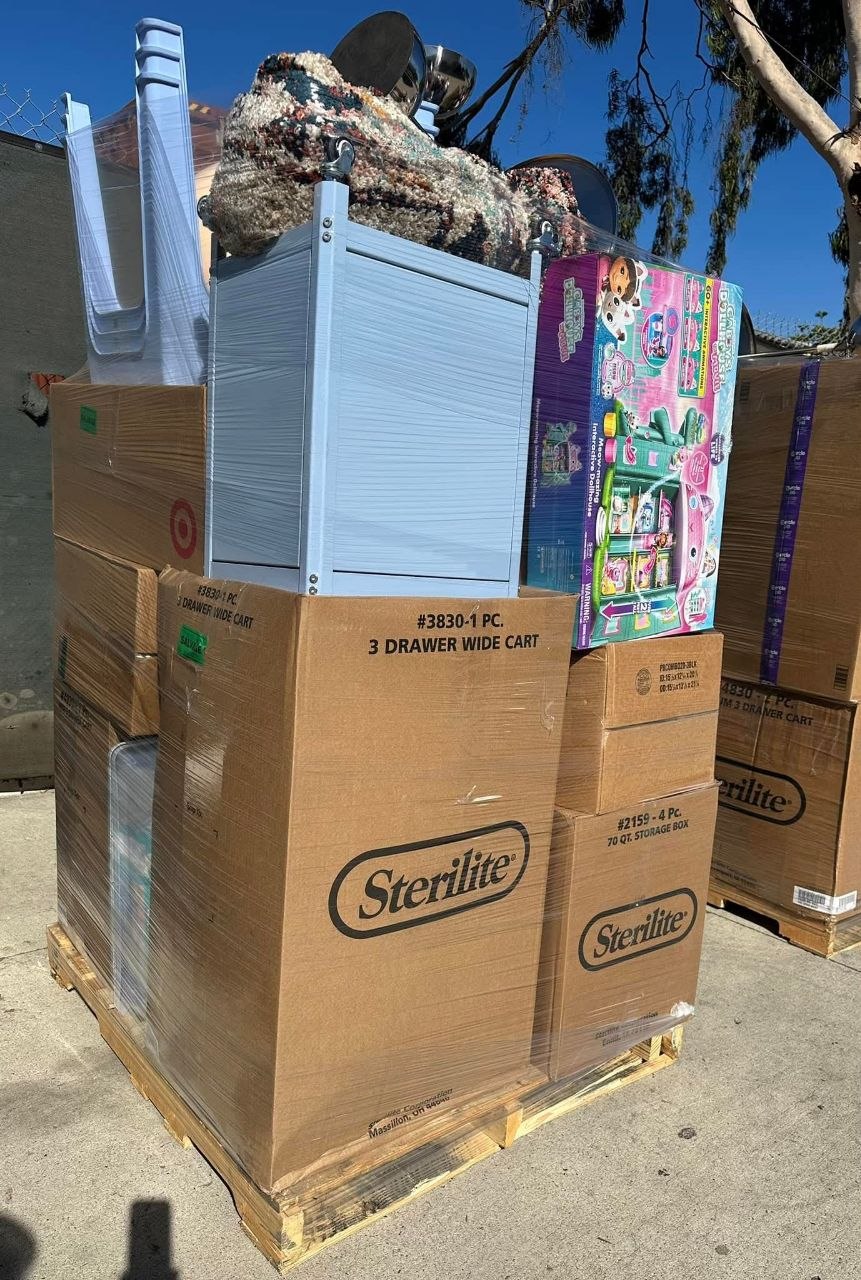
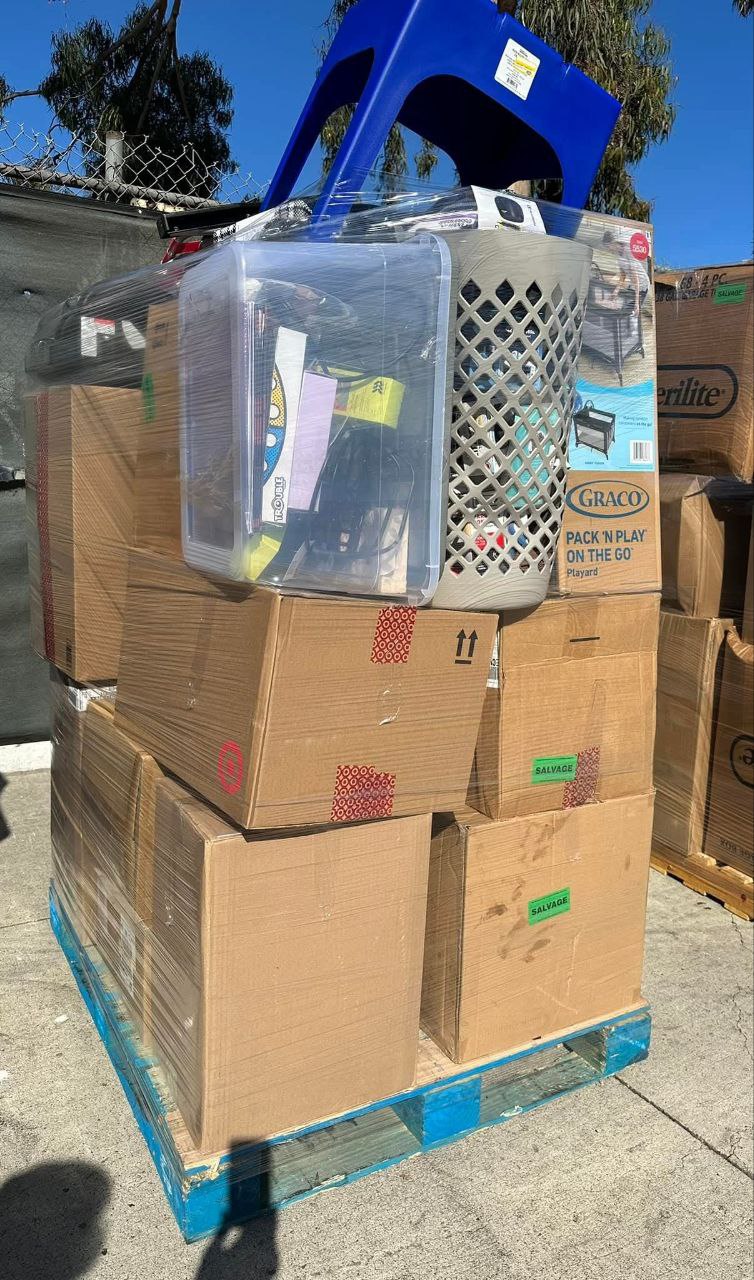
Target pallets for sale are bulk lots of merchandise—ranging from single pallets to full truckloads—that the major retailer sells off rather than returning to shelves. This inventory flow is a non-stop, necessary component of modern retail logistics, creating a massive, continuous opportunity for B2B resellers.
These lots focus on general search terms and are usually sold in various configurations:
- Liquidation Pallets: The broadest category, typically containing mixed customer returns.
- Case Packs: Sealed, original cartons of new overstock or discontinued items.
- Truckloads: The largest volume option, consisting of 24–26 pallets, offering the greatest cost efficiency for high-volume buyers.
The inventory included in these loads generally falls into four main categories: customer returns, overstock, shelf pulls, and sometimes B-Stock (items with minor cosmetic issues). The market interest is consistently high because Target carries a broad range of desirable, branded items—from electronics and small appliances to clothing and seasonal home goods. This variety ensures that a Target load almost always contains profitable items for resale.
What Are The Main Keywords For Finding Target Pallets And Truckloads?
Finding the best deals starts with intelligent searching. High-volume Target inventory is almost exclusively sold on B2B platforms, but knowing the right language to use—both on those platforms and in general search—is essential for uncovering specific types of inventory.
Resellers often make the mistake of using only the broadest search term. By combining descriptive keywords, you can target specific inventory types and conditions, which directly impacts your potential profit margin.
Here is a look at the essential keyword categories and combinations professional buyers use:
| Inventory Type | Primary Search Terms | Targeted Refinements | Purpose |
| Broad Liquidation | Target Pallets, Target Truckloads | Target Liquidation Pallets, Wholesale Target Loads | High-volume mixed inventory (returns/overstock) |
| Condition Specific | B-Stock Target, Target Overstock | Target New Overstock, Target Shelf Pulls | Focus on higher-grade inventory (new or near-new) |
| Category Focus | Target Clothing Pallets, Target Electronics | Target General Merchandise (GM), Target Apparel Lots | Pinpoint loads containing high-demand categories |
| Location Focus | Target Pallets Near Me, Target Liquidation CA/TX | Target Loads East Coast/Midwest | Identify sourcing opportunities to reduce freight costs |
Actionable Tip: Use the “Condition Specific” keywords to filter out general returns and target higher-grade liquidation, which often requires less processing time and yields a better profit margin. Ready to target high-margin stock? [Check Availability] on our authorized partner sites today.
Where Can I Find Target Pallets For Sale And Target Liquidation Pallets Near Me?
The search for Target liquidation pallets near me is common, but it requires understanding the retailer’s strategy. Target rarely sells merchandise directly to individual buyers or small resellers through local warehouses. Their goal is volume and efficiency, meaning they rely on national liquidation networks.
The primary channels where Target sells its returned and liquidated merchandise are large, private B2B auction platforms. These platforms manage the logistics and sales process for millions of items annually, making the entire operation more scalable and compliant.
While a “near me” search can help you find a regional warehouse associated with a national liquidator (which saves on freight), the actual purchase must happen through their online platform.
Where Does Target Sell Their Returns And Liquidated Merchandise?
Target’s strategy has shifted almost entirely to leveraging third-party, technology-driven auction platforms and authorized distributors. This system provides transparency, competitive bidding, and scalability.
This shift allows for the consistent processing of massive volume. According to a 2024 analysis of reverse logistics, major retailers now offload over 90% of their returns through these B2B channels to streamline inventory management and avoid internal bottlenecks (Source: Supply Chain Dive).
The main channels include:
- Major B2B Liquidation Marketplaces: Platforms that manage the liquidation assets for Target under exclusive agreements.
- Authorized Distributors: Companies that buy full truckloads directly from the retailer and then break them down into smaller, managed pallets.
Do not waste time trying to contact local stores or distribution centers. The process is centralized and requires registration on an official B2B platform.
How Can I Buy Target Pallets And Target Liquidation Pallets?
The process for acquiring Target pallets is action-oriented and favors prepared buyers. It moves beyond simple browsing and requires specific steps. The first decision is between buying single pallets (easier for beginners, higher cost per unit) versus full truckloads (commercial scale, lowest cost per unit).
Here is the straightforward process for acquiring Target merchandise:
| Step | Action Required | Business Benefit |
| 1. Register | Create a free, verified account on a preferred B2B liquidation partner site. | Unlocks access to the Target inventory feed and manifest viewing. |
| 2. Target | Filter the inventory stream for “Target,” “Truckload,” or specific categories (e.g., “Apparel”). | Ensures your time is spent only on inventory matching your business model. |
| 3. Analyze | Carefully review the manifest, retail value, and condition grade (A, B, C, D). | Mitigates risk by accurately projecting potential profit and necessary reconditioning. |
| 4. Bid/Buy | Place your bid in the auction or utilize a “Buy Now” option for overstock/case packs. | Secures the product at a competitive price based on your calculated margin. |
| 5. Arrange Freight | Book freight and manage the necessary logistics, often with help from the platform. | Ensures efficient, affordable delivery and proper scheduling. |
Selling Point: Start buying Target liquidation pallets today—Unlock exclusive access to raw truckloads and overstock deals by registering on our preferred liquidation partner sites! [Request a Quote] to connect with a verified partner.
How Can I Buy Liquidation Pallets Direct From Target Or Major Retailers?
The misconception of buying “direct” is common. For high-volume resellers, major B2B liquidation platforms are the direct channel. Target has outsourced its reverse logistics to these specialized companies. Attempting to buy directly from Target corporate is not feasible unless you are an established, high-volume logistics partner.
To operate in this actual direct channel, follow these steps:
- Obtain Necessary Documentation: You will need a valid resale certificate (tax ID) to register and purchase tax-exempt wholesale goods. This is a government requirement for B2B transactions (Source: IRS Publication 525).
- Account Setup: Complete the detailed registration on the B2B platform, linking your tax ID.
- Prepare Capital: Ensure you have the working capital ready. For full truckloads, payment is typically due within 48 hours of winning the bid.
What Should I Know About Target Liquidation Pallets And Target Auction Liquidations?
Target Auction Liquidations exist to efficiently dispose of product returns, seasonal closeouts, and excess inventory that cannot be sold in stores. Understanding this format is key to competitive bidding.
An auction format ensures that the inventory is sold quickly and at fair market value (the highest price a reseller is willing to pay).
The typical process involves:
- Manifest Release: The platform lists the load with a manifest, detailing the SKU count and the original retail price (ORP).
- Bidding Window: A competitive period (e.g., 48–72 hours) where resellers place escalating bids.
- Payment & Pickup: The winning bidder pays, and the load is prepared for freight pickup from the designated warehouse.
Why Do Target Liquidations And Target Auctions Exist?
Target, like all major retailers, generates immense product volume. They need shelf space for new inventory, and they need to recoup capital from returns and overstock efficiently. This is the business reason for liquidation. According to a report by the National Retail Federation, the total value of returned merchandise reached over $816 billion in 2022 (Source: National Retail Federation).
This massive volume must be processed. Liquidation channels provide the necessary infrastructure to manage this:
- Clearance: Moving discontinued or seasonal items quickly.
- Customer Returns Management: Handling the complexity of testing, grading, and bundling high-volume, mixed-condition returns.
Are Target Pallets Worth The Investment And What Is In Target Return Pallets?
Target pallets are consistently worth the investment for a strategic reseller who knows how to mitigate the risks of “blind” pallets (loads without detailed manifests). What’s inside is the variable that determines profitability.
A Target return pallet typically contains a mix of categories—often called General Merchandise (GM)—which can include anything from small kitchen appliances and toys to clothing and seasonal decorations. The key is to look for the Condition Grade (usually A, B, C, or D).
Here is an example breakdown of condition and expected investment worth:
| Condition Grade | Description & Risk | Potential Margin | Required Effort |
| Grade A (Overstock) | New, sealed, or shelf pulls. Lowest Risk. | High (60%+) | Minimal; list and ship. |
| Grade B (Refurbished) | Tested returns, minor damage, or complete in box. Moderate Risk. | Medium-High (40–60%) | Light testing/cleaning; listing accuracy is key. |
| Grade C (Raw Returns) | Untested returns, potentially incomplete or broken. Highest Risk. | Variable (20–50%) | Significant; testing, sorting, and bundling required. |
| Grade D (Salvage) | Confirmed non-working or heavy damage. Specialized Risk. | Low/Break-Even | Parting out or recycling. |
Outcome Focus: Focusing your acquisitions on Grade A and B stock, or raw C stock with a very high Original Retail Price (ORP) per pallet, helps you maximize margin and reduce returns from your own customers.
How Much Does A Target Store Return Pallet Cost And What Determines The Value?
The cost of a Target pallet is rarely a fixed price; it is determined by demand, condition, and category. The price you pay is typically a percentage of the Original Retail Price (ORP) listed on the manifest.
Here are the four factors influencing the price:
- Manifest Value (ORP): The total retail value of all items in the load.
- Condition/Grade: New items (Grade A) fetch a much higher percentage of ORP than raw returns (Grade C).
- Category: High-demand categories like electronics and branded apparel sell for more than general seasonal decor.
- Auction Demand: Highly sought-after loads (like unmanifested electronics) can drive the final bid price up significantly.
This table provides a general estimation based on current market trends for a full truckload of 24 pallets:
| Category | Typical Condition | ORP Range (per Truckload) | Expected Bid Price (% of ORP) | Estimated Final Cost (Full Truckload) |
| General Merchandise (GM) | Mixed Returns (C/D) | $50,000 – $75,000 | 8% – 12% | $4,000 – $9,000 |
| Apparel/Clothing | Mixed (B/C) | $80,000 – $120,000 | 10% – 15% | $8,000 – $18,000 |
| Small Electronics/Tech | Tested Returns (B/C) | $65,000 – $95,000 | 15% – 25% | $9,750 – $23,750 |
Note: The final cost does not include freight. Always account for freight costs and potential accessorials (lift gate, residential delivery).
What Types Of Target Merchandise Are Included In Wholesale Loads?
Target’s wholesale loads are rich in variety, which is part of their appeal. The main categories are:
- Apparel: Name-brand clothing, often seasonal overstock or size-related returns.
- Electronics: Small appliances, smart home devices, headphones, and gaming accessories.
- Home Goods: Kitchen items, bedding, seasonal decor, and small furniture.
- General Merchandise (GM): A catch-all for toys, consumables, and general household items.
For scale, buyers look for High Piece Count (HPC) truckloads in GM, which contain thousands of smaller, lower-value items perfect for bin store inventory, maximizing the number of resellable units per dollar spent.
Are Target Return Pallets Considered Wholesale Or Overstock?
When purchased in bulk, Target return pallets are exclusively considered B2B wholesale. This means they are sold in bulk quantities for the purpose of commercial resale, not personal use.
The key terms to understand here are:
- RAW Truckloads: Untouched, direct-from-the-DC loads of customer returns—the most profitable for experienced sorters.
- Wholesale Loads: Any large-scale bulk lot sold to a business (reseller).
- Overstock Pallets: Loads consisting entirely of new, unopened inventory that the retailer simply needs to clear out to make room for new stock.
For the serious buyer, the scale of truckload purchasing is the only way to achieve the necessary cost-per-unit for sustained profitability. A truckload dramatically lowers your freight cost per pallet and your item cost per unit, differentiating you from hobby resellers.
What Are The Benefits Of Buying Customer Returns From Target In Bulk?
Buying customer returns in volume offers immense strategic advantages for business buyers:
- Lowest Cost Per Unit: Volume buying provides the maximum discount against the original retail price.
- Consistent Sourcing: Target generates returns every day, ensuring a reliable, non-seasonal supply chain for your inventory.
- Scale for Operations: Provides the inventory density needed for high-volume models like bin stores, export container loading, or large Amazon FBA operations.
Selling Point: Leverage our wholesale expertise to scale your reselling business—we connect you with Target wholesale loads, specializing in high-demand electronics and clothing! [Check Availability] for the newest loads.
What Are The Best Reselling Methods For Target Clothing Pallets And Other Merchandise?
The most successful reselling strategy is dictated by the condition and category of the merchandise you receive. A multi-channel approach is almost always necessary to liquidate the entire load quickly.
For Target Clothing Pallets, the strategy often includes:
- Grade A/B: List these items individually on high-margin platforms like eBay or Poshmark. Use detailed, clear pictures.
- Grade C/D: Bundle these into “mystery boxes” or sell in bulk lots to flea market vendors or local thrifts.
For General Merchandise and Electronics:
| Reselling Channel | Best Inventory Fit | Key Benefit for Reseller |
| Amazon FBA/FBM | New Overstock (Grade A) & Tested Refurbs (Grade B) | Access to massive customer base and high-trust environment. |
| eBay | Tested B-Stock and higher-value individual returns | Broad audience for unique or collectible items. |
| Bin Stores/Flea Markets | High-Piece Count (HPC) General Merchandise (C/D) | Quick cash flow and fast volume liquidation. |
| Local Export/Bulk | Large volumes of C/D stock for overseas markets | Clearing large quantities in a single transaction. |
How Can I Flip Pallet Merchandise On Amazon Or eBay For Maximum Profit?
Flipping successfully on major e-commerce platforms requires professional execution:
- Grade Accurately: Never over-represent the condition. Use terms like “Used – Good Condition” or “Open Box – Tested Working” to build trust.
- Product Descriptions: Write clear, concise, and keyword-rich descriptions. Focus on what works and what’s included, not just the original item description. For example: “Tested Working – Minor cosmetic scratch on base. Includes original power cord.”
- Bundle Low-Value Items: To save on listing fees and freight, bundle 3–5 lower-value items (e.g., kitchen gadgets) into a single, higher-value listing.
Frequently Asked Questions About Target Pallets For Sale
Where Can I Find The Best Deals On Target Pallets For Sale Online?
The best deals are found on official B2B liquidation auction sites where Target offloads their assets. To ensure you are seeing the “rawest” deals—which have the highest profit potential because they haven’t been cherry-picked—you must be registered on these authorized third-party platforms. They offer the largest volume and the lowest starting prices.
Are Target Liquidation Pallets And Auctions A Good Investment For Small Resellers?
Yes, but only if they approach it strategically. For small resellers, buying single pallets of higher-grade overstock (Grade A) or category-specific loads (e.g., apparel only) is a better starting point than buying an entire raw truckload of mixed returns. It allows you to build capital and experience before taking on the risk and complexity of full truckloads.




Reviews
There are no reviews yet.