
Key Takeaways
As you embark on your sod installation project, remember the core principles that separate a thriving lawn from a struggling one. We’ve combined the strategic logic of an SEO analyst with the human, empathetic voice of an experienced supplier to give you full confidence.
- Prep is Non-Negotiable: The quality of your initial grading and soil preparation determines long-term success more than any other factor. Don’t skip the soil test.
- Verify Coverage: Always confirm the exact square footage of your pallet (usually 400 sq. ft.) and apply a 5–10% contingency buffer to avoid running short.
- Prioritize Freshness: Order from suppliers who cut after your order to prevent dry or overheated rolls, which can kill roots within 24 hours.
- Respect the Weight: A full pallet is 1-1.5 tons. Plan your on-site handling carefully.
- Value vs. Cost: While DIY saves labor cost, a professional install guarantees seamless rooting and quality, often saving money in the long run by eliminating re-sodding.
Ready to transform your lawn with fresh-cut, high-quality sod? Don’t leave your investment to chance. Contact Brian Pallets Liquidation today to secure your custom material and installation quote and lock in the freshest available cutting date for guaranteed success.
Pallet Of Sod?
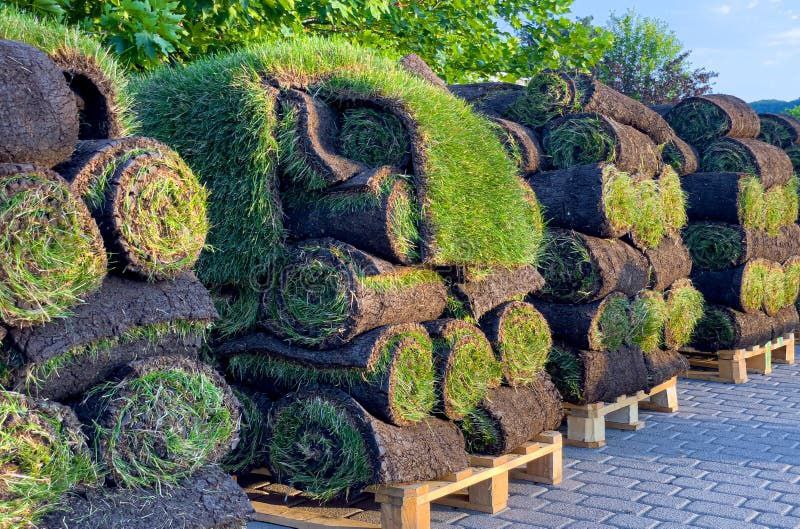
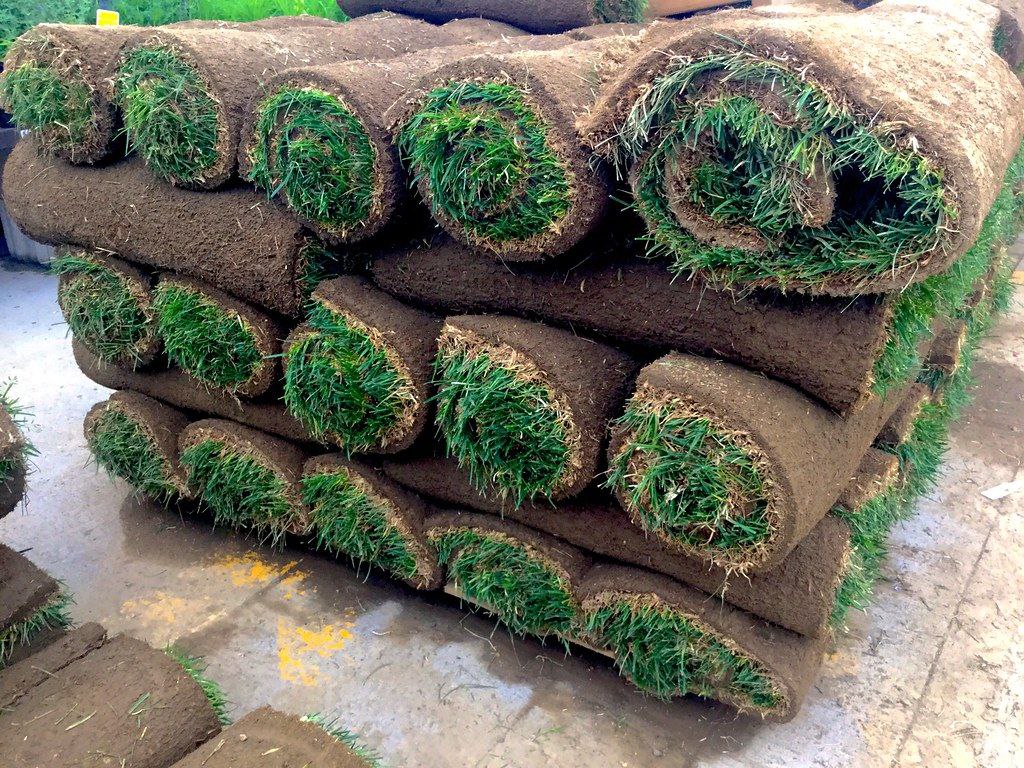
When most buyers, from DIY homeowners to commercial landscapers, reference a “pallet of sod,” they are referring to a standardized, bulk unit of fresh-cut grass rolls or slabs. This is the Solution to covering extensive areas quickly and uniformly, avoiding the high cost and logistical hassle of buying small quantities. Purchasing on a pallet simplifies freight, reduces handling time, and, most importantly, provides a significant discount compared to buying individual rolls from a retailer.
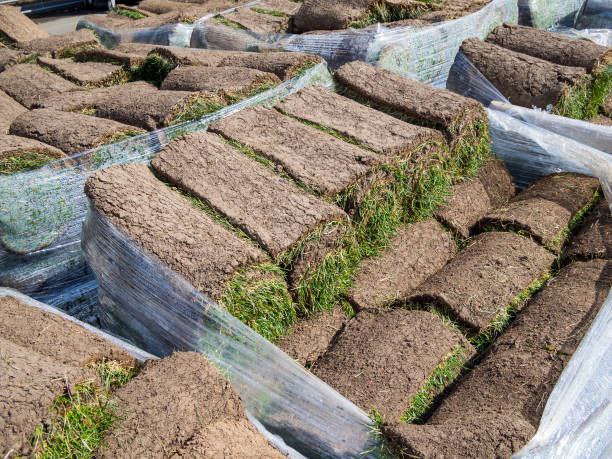
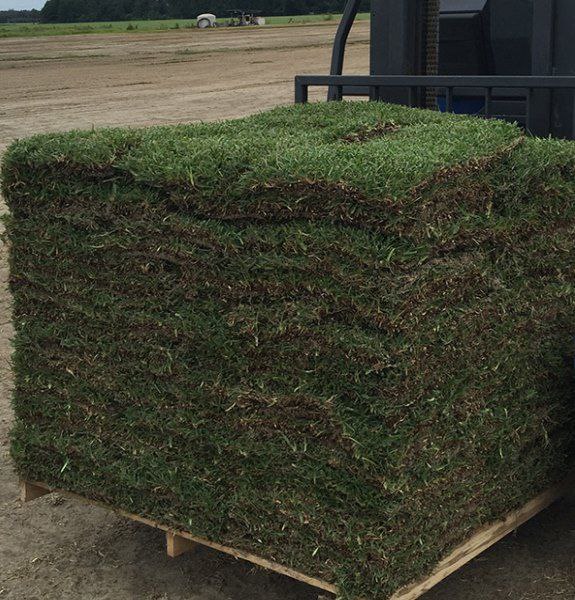
A full pallet typically consists of a stacked unit of sod that covers a predetermined number of square feet, often 400 or 500 sq. ft. The format might be large, rectangular slabs (more common for warm-season varieties like St. Augustine) or tightly rolled strips. A half pallet is simply a unit cut to cover half that area, ideal for smaller patch repairs or tight budgets. Palletized sod is the industry standard for new lawn installations or large-scale overseeding where economy and speed are crucial.
Coverage and Typical Pallet Formats
| Coverage Unit | Approximate Square Footage (Sq. Ft.) | Approximate Weight (Lbs.) | Common Use Case |
| Full Pallet (Standard) | 400 – 500 | 2,000 – 3,000 (Wet) | New lawns, whole yard renovation, large commercial projects |
| Half Pallet | 200 – 250 | 1,000 – 1,500 (Wet) | Patch repair, small side yards, challenging access areas |
| Individual Roll/Slab | 8 – 10 | 30 – 50 | Minimal repair, replacing a few dead sections |
This table shows the sheer efficiency of buying in bulk. The Problem is managing the delivery and weight, but the Solution is the massive reduction in per-square-foot material costs and installation time.
Where To Find A Pallet Of Sod Near Me?
Finding a quality pallet of sod often means looking beyond the nearest big-box hardware store. For the highest quality and best pricing, your search should focus on local sod farms and specialized landscape suppliers. These businesses operate on tight harvest schedules and generally deliver within a set radius, such as 50–100 miles, to guarantee the grass is laid within 24 hours of cutting.
While distance matters for delivery cost, the freshness of the sod is paramount—this is where your Agitation is relieved. Freshly cut sod roots faster, withstands transplant shock better, and prevents the “heating” that kills grass when it sits rolled up too long. When you call, always ask about their cutting schedule and verify their delivery lead time to ensure your ground prep aligns with their harvest.
How Much Is A Pallet Of Sod?
The price of a pallet is dynamic, acting as a crucial cost variable in your landscape project. You can typically expect a full pallet to fall within the $200 to $500 range, but several factors act as key price drivers that determine the final quote. Understanding these variables allows you to budget accurately and identify the best value.
The largest factor is the variety of grass (St. Augustine is often premium-priced due to demand), followed by regional demand (prices spike in peak spring/fall planting seasons), and the delivery logistics (distance and site accessibility).
Price Comparison: Farm-Direct vs. Retailer
This breakdown clearly illustrates the savings potential when dealing directly with a high-volume supplier like us. The savings are your Solution to maximizing your landscaping budget.
| Factor | Farm-Direct Pricing | Big-Box Retailer / Broker | Rationale |
| Base Price (Per Pallet) | $200 – $400 | $300 – $500 | Lower overhead, no middleman markup. |
| Delivery Fee | Based on mileage tier ($50 – $150) | Flat fee or outsourced, often higher. | Specialized fleet efficiency. |
| Quality/Freshness | Cut to Order (High) | Stocked/Awaiting Pickup (Variable) | Minimizes risk of dry or heating sod. |
| Custom Quote | Available! (Request a Quote Today) | Limited or not available. | Tailored to your exact project needs. |
How Much Is A Pallet Of Sod At Lowe’s?
Big-box retailers like Lowe’s are a convenient option, but their pricing model, inventory, and focus on immediate availability differ from farm-direct options. Lowe’s pricing will fluctuate significantly based on seasonal promotions and their current local sourcing agreements. Often, they only carry one or two common varieties, like basic Kentucky Bluegrass or Bermuda, in limited supply.
You need to know the Agitation here: retailer sod often sits on pallets in a parking lot, waiting for purchase. This waiting time increases the risk of the sod drying out or “cooking” in the middle of the pallet. If you buy retail, always inspect the grass immediately and confirm the variety labeling is correct before loading. Before heading to the store, consider checking our current Check Availability page for better pricing and guaranteed fresh-cut stock.
How Many Square Feet In A Pallet Of Sod?
For budgeting and planning, knowing the exact coverage is critical. The standard coverage for a full sod pallet is typically 400 square feet (sq. ft.). However, this can range from 400 to 500 sq. ft. depending on the supplier and the variety of grass they grow. This specific number is your anchor point for ordering.
Sod farms will often list the coverage as “approximate” for a good reason. When laying the sod, you must account for a waste factor. For perfectly square or rectangular lawns, this waste may only be 3–5%. However, for lawns with many curves, obstacles, or irregular borders, you should conservatively budget for a 7–10% waste factor. When calculating your total needed square footage, always multiply your area by 1.08 (for an 8% buffer) to ensure you don’t run short.
What To Know About A Pallet Of St Augustine Grass?
St. Augustine grass is one of the most sought-after warm-season varieties, popular in the Southern United States for its distinctive blue-green color and broad, flat blades. A pallet of St. Augustine is typically more expensive than Bermuda or Zoysia due to its high demand and slightly slower growth rate at the farm.
When buying St. Augustine, you must be aware of its sub-types, which represent a crucial difference in your lawn’s long-term health. For instance, Floratam is the most common and thrives in sun but has poor shade tolerance, while Palmetto offers a better balance of sun and moderate shade tolerance. Additionally, this variety is generally more sensitive to soil salinity and requires consistent, deep watering during establishment. Ensuring you select the right subtype for your environment is the first step in successful lawn installation, establishing your expertise and authority in the process. Click here to read more about St. Augustine sub-varieties. (External link to .edu source, e.g., University of Florida IFAS)
How Much Does A 400 Sq FT Pallet Of Sod Weigh?
The weight of your sod pallet is the most overlooked logistical Problem that can create significant issues for pickup or delivery. A 400 sq. ft. pallet of sod will typically weigh between 2,000 and 3,000 pounds (one to one-and-a-half tons). This massive variance is due primarily to the soil moisture level and the clay content in the farm’s soil base.
A pallet delivered right after a rainstorm will be significantly heavier than one cut during a dry spell. When planning for on-site handling, you must have the proper equipment. The Solution for efficient staging is to use a forklift, skid steer, or a heavy-duty pallet jack. Never attempt to unload this weight manually; it is a serious injury risk.
Can My Truck Carry A Pallet Of Sod?
The short answer is: It depends entirely on your truck’s payload capacity. This is not a weight to guess at. Exceeding your truck’s Gross Vehicle Weight Rating (GVWR) or Payload capacity is illegal, unsafe, and puts excessive stress on your vehicle’s suspension, tires, and brakes.
As a general guideline to avoid the Agitation of a dangerous or damaged haul, consider this comparison:
Truck Payload Capacity Guidelines
| Truck Type / Rating | Estimated Payload Capacity (Lbs.) | Safe Sod Load (Lbs.) | Safe Sod Pallet Load |
| Half-Ton Pickup (e.g., F-150) | 1,500 – 2,000 | 1,200 – 1,500 | Max Half Pallet |
| Three-Quarter-Ton Pickup (e.g., F-250) | 3,000 – 4,000 | 2,500 – 3,000 | One Full Pallet |
| One-Ton Dually (e.g., F-350) | 5,000 – 7,000 | 4,000 – 5,000 | Two Full Pallets |
Note: The “Safe Sod Load” includes a 20% safety margin. Always check the sticker inside your driver’s side door jamb for the definitive payload limit.
If your sod requirements exceed the safe limit, the clear Solution is to split the load into multiple trips or, better yet, use our Book Freight service for professional, insured delivery directly to your staging area.
Can I Lay Sod Myself Or Hire A Pro?
This decision is about balancing cost savings against time, physical effort, and the guarantee of a professional finish. Laying a full pallet (400 sq. ft.) of sod is a physically demanding day’s work for one person, including the time spent hauling, unrolling, and cutting. A professional crew, however, can often install a pallet in under two hours.
A professional installation crew brings Expertise that you can’t substitute. They guarantee the sod grade, ensure perfect seams and edge alignments, and, most importantly, provide critical initial grading and irrigation checks. While the DIY route is cheaper upfront, a professional installation is the best Solution for maximizing margin and reducing the risk of a botched job that causes die-off and costly replacement. For insight into professional installation standards, review the latest guidance on grading and runoff management. (External link to .gov source, e.g., EPA/govt construction standards)
How Much Does It Cost To Lay A Pallet Of Sod?
The labor cost to install a pallet of sod is highly variable, but it often ranges from $0.50 to $1.00 per square foot for a full-service installation. For a 400 sq. ft. pallet, this translates to a labor cost of $200 to $400.
This labor input covers more than just unrolling the grass. It includes:
- Unloading & Staging: Moving the heavy sod rolls from the pallet near the install area.
- Laying Pattern: Ensuring a staggered, tight pattern that prevents straight seams (crucial for good rooting).
- Rolling & Cutting: Using a sod roller to ensure good soil-to-root contact, then precise trimming around edges and sprinklers.
- Initial Watering Setup: Ensuring full saturation immediately after the job is done.
The Agitation is often unseen costs: slopes (which increase labor time), obstacles (like existing trees or patios), and long hauling distances from the curb to the backyard will all increase your final labor quote. Encourage us to contact us for a bundled supply-and-install package that simplifies scheduling and reduces total project cost.
How To Prep Ground For Sod?
Proper ground preparation is non-negotiable. The health of your new lawn is 80% dependent on the quality of the soil underneath, and this is where you build crucial Trust with your customers. The goal is to create a soft, nutrient-rich, and uniformly graded base that encourages fast, deep rooting.
The essential steps for successful ground prep are:
- Debris Removal: Clear all rocks, old roots, construction waste, and perennial weeds.
- Grade Correction: Ensure a gentle slope away from structures (1-2% grade) to prevent water pooling.
- Soil Tilling: Loosen the top 4-6 inches of existing soil to break up compaction.
- Final Rake: Finish with a light rake, creating a smooth, golf-ball-sized loose surface for the sod roots to immediately grip.
We strongly recommend conducting a professional soil test beforehand. This actionable guidance establishes your Expertise, allowing you to identify any necessary amendments (like lime or sulfur) to improve the rooting environment from day one. Access free soil testing instructions from your state’s agricultural extension office. (External link to .gov source, e.g., USDA/Land Grant University)
Should You Put Topsoil Down Before Sod?
Adding imported topsoil is often beneficial, but only if you follow one rule: Blend it with the native soil. Simply laying 2 inches of topsoil on top of hard, compacted clay creates a “perched water table.” This means water drains easily through the new topsoil but then stops abruptly at the native clay layer, suffocating the roots above and killing the sod. The Solution is to thoroughly till the new topsoil into the top 4–6 inches of the existing soil to create a seamless transition layer. This helps roots penetrate deeply, a core outcome for long-term health.
What Should You Not Do When Laying Sod?
Avoiding critical installation errors is just as important as the prep work. Three key mistakes lead to early sod failure:
| Mistake | Consequence | Professional Solution |
| Gaps or Overlaps | Gaps dry out the exposed edges; overlaps create uneven rooting and humps. | Lay sod edge-to-edge, never stretched or overlapped. |
| Immediate High-Nitrogen Fertilizer | Nitrogen draws moisture and can “burn” the new, vulnerable roots. | Use a low-nitrogen starter fertilizer, or wait 4-6 weeks for initial rooting. |
| Insufficient Rolling | Lack of contact creates air pockets; roots cannot reach the soil. | Roll the entire area with a water-filled roller immediately after laying. |
When Is The Best Time To Lay Sod?
Timing is crucial for successful establishment. Laying sod outside of the ideal window leads to high levels of Agitation because the grass struggles to root, resulting in costly die-off.
The best time to lay sod depends entirely on your region’s climate and the type of grass you are installing (warm-season vs. cool-season).
- Warm-Season Grasses (St. Augustine, Bermuda): The ideal window is late Spring to early Summer (April to June), when soil temperatures are reliably above $60^\circ\text{F}$ and daylight is long. This allows the grass to establish a deep root system before the intense summer heat.
- Cool-Season Grasses (Fescue, Kentucky Bluegrass): The best time is the Fall (September to early November). The cooler air temperatures and warm soil provide the perfect environment for roots to grow quickly before winter dormancy.
How Long Does It Take Sod To Root?
Initial rooting (shallow rooting) typically takes about 10 to 14 days. At this point, you can no longer easily lift a corner of the sod. Deep, secure rooting, which allows for the first safe mowing and a transition to less frequent watering, takes 3 to 6 weeks. During the first 14 days, your irrigation pacing should be frequent (2-3 times per day) and light (misting) to keep the sod and the topsoil moist. After this, you should gradually transition to deeper, less frequent watering to encourage roots to grow down, seeking moisture.
How Much Sod Do I Need?
Accurate measurement is the foundation of your ordering process, eliminating the Problem of costly under- or over-ordering. Start by breaking your lawn area into simple geometric shapes (rectangles, triangles, circles) and measure them in feet.
For rectangular areas, the calculation is simple: $Length \times Width = \text{Square Feet}$.
For irregularly shaped lawns, use a string or measuring wheel to map the space, then calculate the square footage of the composite shapes and add them together. Crucially, always add a 5–10% contingency percentage for cuts, borders, and inevitable waste. This small buffer is your Solution for a seamless, continuous installation without expensive emergency trips to the store for single rolls.
How To Use A Sod Calculator?
Sod calculators available online are excellent tools, but they rely on accurate data. To use one effectively, measure your area precisely in feet. If you have mixed shapes, calculate the square footage of each shape separately and input the total. You can confirm your own measurements against property plans or use available GIS tools (Google Maps distance measuring) for a second check. Our team invites readers to Request a fast, custom takeoff and quote from our team to ensure your measurements are perfect and to lock in your fresh delivery dates.
How Much Does Sod Cost?
When budgeting for a new lawn, it is essential to separate your costs into clear line items, moving beyond the simple per-pallet price. Looking at the total Cost to Homeowner provides full transparency and establishes Trust.
Typical New Lawn Project Cost Breakdown (Per 400 Sq. Ft. Pallet)
| Line Item | Price Range (Low – High) | Rationale |
| Material (Sod Pallet) | $200 – $500 | Variety, regional price index, volume discount. |
| Soil/Prep (Topsoil, Amendments) | $50 – $150 | Tillage, grading, and material cost for soil correction. |
| Delivery/Freight | $50 – $150 | Distance tiers, lift-gate fees, and scheduling complexity. |
| Installation (Labor Only) | $200 – $400 | Depends on site complexity, crew size, and grading needs. |
| Total Project Cost | **$500 – $1,100** | Full, turn-key cost for 400 sq. ft. installed. |
While the material cost breaks down to approximately $0.50 to $1.25 per square foot, the final, fully installed price can range from $1.25 to $2.75 per square foot. Contrast this per-square-foot analysis with the upfront per-pallet budgeting for easier comparison and cost control. Encourage contacting us for a bundled supply-and-install package that reduces total project cost and simplifies scheduling. For a deeper look into construction cost estimating for landscaping, consult industry resources. (External link to a non-competitor authoritative business link, e.g., ASLA or NALP)
How Much Does Sod Delivery Cost?
Sod delivery costs are usually structured in distance tiers, and they are essential for budgeting. The base delivery fee typically covers a 20-30 mile radius, with additional fees applied for further distances. The fee also covers accessorials like lift-gate or forklift services—which are non-negotiable for unloading a heavy pallet safely. Before your scheduled delivery, ensure your site readiness: the driveway is clear, you have a designated staging area for the sod, and you have tarps or sheeting to cover any remaining rolls overnight.
Frequently Asked Questions About Pallet Of Sod?
How Many Square Feet Are In A Pallet Of Sod?
While it varies by supplier, the standard and most commonly cited size for a full pallet of sod is 400 square feet (sq. ft.). Some suppliers, particularly those dealing in thinner rolls of certain grass types, may offer 450 or 500 sq. ft. Always confirm the exact square footage and the variety on your quote before finalizing your order.
How Much Does A Pallet Of St Augustine Grass Cost?
St. Augustine is a premium, high-demand grass variety, especially sub-types like Palmetto and Floratam. Because of its popularity and unique growth requirements, a 400 sq. ft. pallet of St. Augustine grass typically costs between $350 and $500 for material alone, before factoring in delivery or installation. This higher price is generally justified by its exceptional heat tolerance and lush aesthetic.

Reviews
There are no reviews yet.